
Cold snaps place plumbing under pressure. Frozen water expands, which leads to cracked pipes, leaks, and serious water damage. A little planning before temperatures drop keeps your home safer and reduces stress when frost arrives.
This guide walks through simple, practical steps for homes in the UK. Focus on prevention first, then plan for a quick response if problems arise.
1. Know where your stop tap is
Start with a basic check. Find the main stop tap, often under the kitchen sink or near the front of the property. Make sure it turns easily, without stiffness.
Share this location with everyone in the household. In an emergency, fast access to the stop tap limits damage while you wait for help.
2. Insulate exposed pipes
Uninsulated pipes in lofts, garages, under floors, or outdoors sit at higher risk of freezing. Pipe lagging keeps water warmer for longer and reduces freezing risk.
Measure exposed sections and fit foam lagging along each length. Focus first on pipes near outside walls and in unheated spaces. Secure joints with tape so insulation stays in place through the season.
3. Protect outside taps
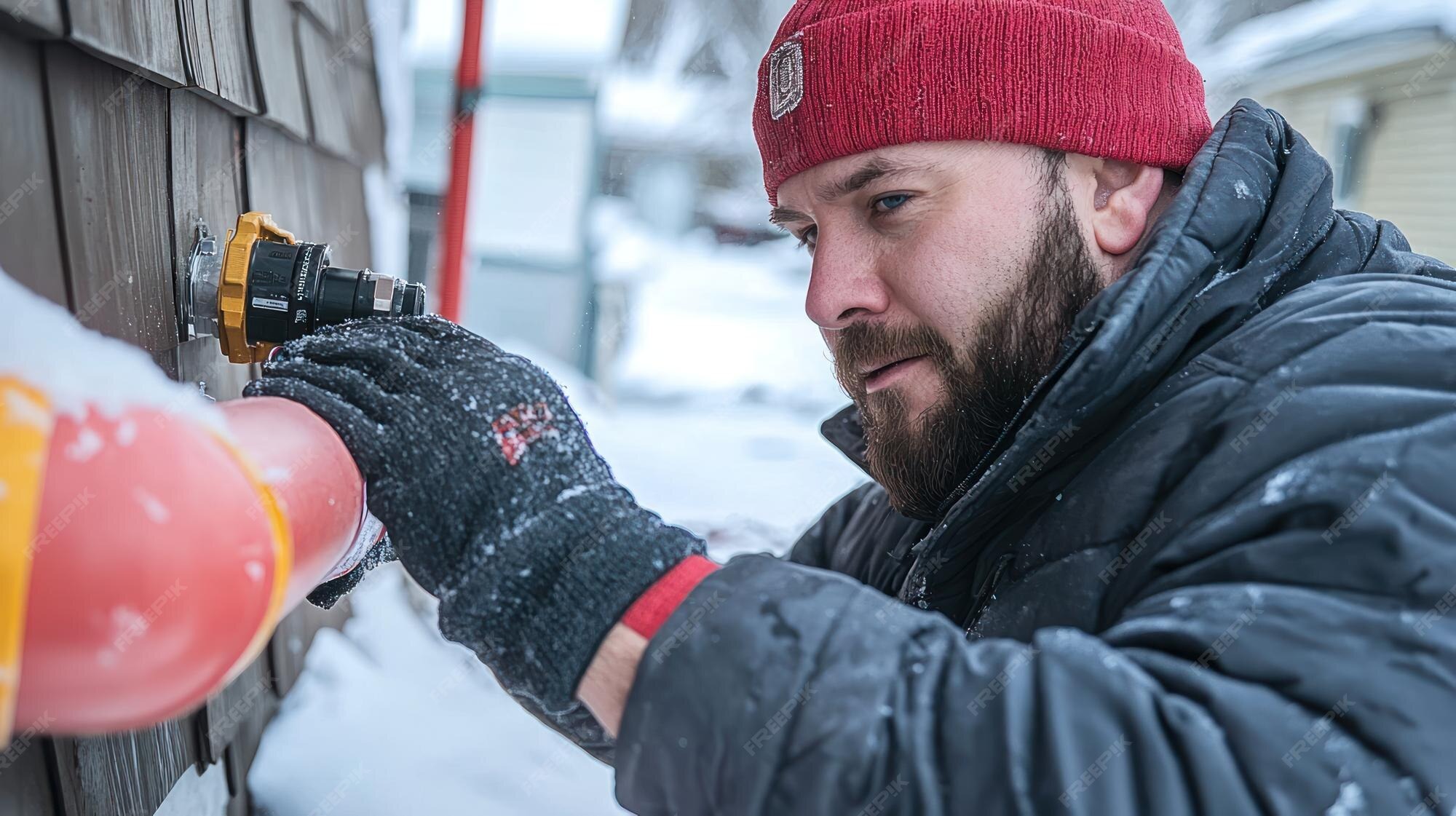
Outside taps face cold air, wind, and frost. Water inside freezes quickly, which leads to cracks.
Fit an insulated cover over every external tap. If possible, turn off the isolating valve inside, then open the outside tap so remaining water drains away. For garden hoses, disconnect from taps and drain before storage.
4. Keep a low, steady heating level
Rapid temperature swings add stress to pipework. Short bursts of high heat followed by long periods with no heating leave cold spots in walls and voids.
Set your boiler to maintain a low, steady temperature, even at night or during short trips away. This keeps air and walls above freezing. For longer winter trips, speak with a plumber about safe settings for your system.
5. Deal with draughts near pipes
Cold draughts push freezing air across pipework, especially near floorboards, doors, and loft hatches.
Walk through your home on a windy day and note cold spots. Seal gaps with draught excluder tape, door brushes, or sealant where safe to do so. Take care not to block vents required for gas appliances or ventilation. The goal is fewer icy blasts on already vulnerable sections of pipe.
6. Take extra care in lofts and garages
Lofts, garages, and utility rooms sit away from central heating. Pipes in these spaces often freeze first during cold weather.
Check for exposed pipework near roofs or external walls. Add lagging, move stored items away from pipes, and avoid covering them with insulation where heat from the home needs to reach. If your boiler or water tank sits in one of these rooms, ask a professional to confirm insulation levels and ventilation.
7. Keep indoor doors open where safe
Warm air trapped in one part of the home leaves other rooms cold. Pipes in cold corners or behind closed doors freeze more easily.
During cold spells, leave internal doors open where safe. Heat spreads more evenly, which supports a steady temperature around pipework. For rooms rarely used, check radiators and pipes to ensure they still receive warmth.
8. Watch usage during freezing nights
During severe frost, slow water movement raises the chance of freezing. Light water use helps reduce stagnant sections.
Run taps briefly before bed and first thing in the morning during harsh cold snaps. Flush loos and run a quick trickle through pipes in problem areas, such as an exposed utility room. This gentle movement helps keep water flowing.
9. Spot early warning signs
Early signs of freezing pipes include slow water flow, gurgling sounds, or frost on visible sections. Another warning comes from toilets refilling slower than usual.
If you suspect a freeze, turn off the stop tap straight away. Open cold taps to relieve pressure. Never use a naked flame on frozen pipes. Warm the area slowly with towels soaked in warm water or a hairdryer on a low setting, moving along the pipe. Call a qualified plumber if you feel unsure at any stage. Early signs like these may also point to hidden issues in your plumbing system, which should be addressed before winter sets in.
10. Plan for professional checks
Regular maintenance reduces surprises during winter. A professional plumber checks for weak joints, ageing pipes, and poor insulation.
Arrange an annual service before the coldest months. Ask for advice on vulnerable areas in your property. Small improvements, such as upgraded lagging or better access to valves, lower risk of sudden leaks once temperatures drop.
11. What to do if a pipe bursts
Sometimes damage still occurs, even with preparation. A clear action plan limits stress and reduces repair costs.
Follow these steps.
- Turn off the main stop tap.
- Switch off electrics near the leak if safe.
- Open cold taps to drain water from the system.
- Move furniture and belongings away from affected areas.
- Call a plumber for emergency support.
Avoid turning heating back on until a professional confirms safety. Dry affected areas with towels and ventilation to reduce mould risk.
Stay calm and seek expert help
Winter plumbing problems feel stressful, especially when water flows where it should not. A calm response and a clear plan help protect your home.
For tailored advice, regular maintenance, and fast support during cold snaps, speak with Plumbing Wetherby. Their team provides local experience, seasonal checks, and repair services so your plumbing stays ready for winter weather.