

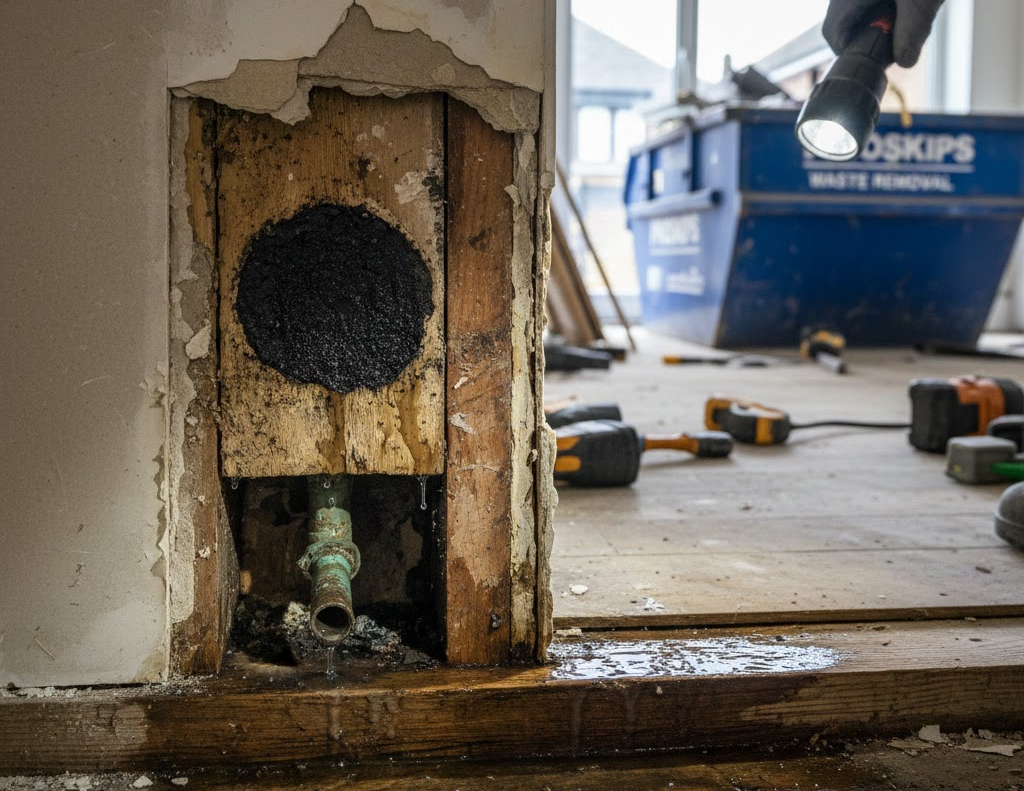
Many homeowners think plumbing leaks are easy to find because they expect to see a big spray of water or a large puddle in the kitchen.
However, the most damaging leaks are often hidden. A small pinhole leak in a copper pipe can release hundreds of litres of water in just one month without making any noise.
Recent data from PBC Today illustrates that 40% of water damage claims in the UK are due to slow leaks, with half of these coming from ordinary wear and tear. This statistic is important because it shows that most property damage happens not from sudden bursts but from gradual deterioration of pipes over time.
This slow leak is severe because it can really soak into the building’s structure before you even notice it.
As a local plumbing team serving Wetherby, we find that early leak detection prevents far more expensive floor and wall repairs. For homeowners concerned about persistent leaks, the team at Wetherby Plumbers can carry out professional leak detection before damage escalates.
Can a Small Leak Cause Structural Rot and Damage?
UK homes have a unique style, but some features we admire in older houses can hide water damage. Victorian and Edwardian homes usually have suspended timber floors. These floors create a space between floorboards and the ground. If a central heating pipe leaks under the floor, water can collect in the dark, unventilated area for years.
Modern homes can also have problems. Many newer houses use plastic pipes behind walls. These pipes are mostly trustworthy, but if a connection is loose or a pipe gets damaged, it can spray a fine mist of water onto the back of the wall.
Because plaster is often finished with moisture-resistant paint or covered with tiles, the dampness can become trapped inside the wall. By the time you notice a soft spot on the wall or smell something musty, the wooden studs supporting the wall may have already begun to weaken.
How Hidden Plumbing Leaks Damage Floors and Foundations
When water sits against building materials for a long period, it can damage a home. Timber is especially at risk. Most floor joists in the UK are made of softwood. While they are robust when dry, they soak up water from leaks. Continuous moisture can cause wood rot, leading to sagging or even the collapse of floors.
According to Homemove, 15 to 20% of UK homes have structural issues. Many of these problems come from internal moisture and hidden plumbing leaks. This is concerning because it means a large number of people may be living in homes at risk of instability due to a single ignored pipe.
Masonry and brickwork can also be affected. Although we think of bricks as solid, they can absorb water. Water from a leaking pipe or a hidden rising main can seep into the bricks. In colder months, this moisture can freeze and expand. This freeze-thaw action can cause bricks to chip or mortar to crumble. This weakens your property’s foundation, turning a simple plumbing problem into a major structural repair.
Do Hidden Leaks Cause Mould Problems and Health Hazards?
Hidden leaks can cause more than just damage to wood and stone. They also create ideal conditions for mould to expand. Dampness and dark areas with poor airflow are perfect breeding grounds for black mould. Since these leaks are often hidden behind kitchen units or even under floorboards, mould spores can enter your home’s air through gaps in skirting boards or around pipes.
This can lead to unexplained respiratory problems, allergies, or a persistent cough for those living in the home. Landlords especially need to pay attention to this, as they have a legal duty to provide a safe and healthy living environment. A small leak under a bath may seem minor, but if left unchecked, it can lead to a mould problem that requires professional help and costly repairs.
How Much Does Hidden Water Damage Cost to Repair?
A neglected leak can quickly become costly. Fixing a simple pipe might cost £80 to £150, but finding and repairing the damage can range from £2,500 to over £10,000 in the UK, depending on the extent of the damage. You end up paying for two things: the wasted water on your utility bill and the high cost of further damage.
When hidden damage is revealed, repairs often require removing parts of the flooring, walls, or classic fixtures. For larger jobs, plumbers may arrange for waste removal using services such as Proskips skip hire. This helps keep the work area safe, organised, and compliant while the repairs are in progress.
Many insurance policies in the UK cover the cost of discovering and accessing a leak. However, they usually do not pay to fix the pipe or for the damage caused by ignoring the problem for a long time. If an insurance adjuster finds that the leak has been present for a while and the homeowner did not take action, they may challenge the claim.
How Do I Spot the Early Signs of a Silent Leak?
Since you can’t always see water leaks, it is vital to watch for other signs. One common sign is a sudden drop in boiler pressure. If you are adding water to your combi boiler every few days, it means water is leaking somewhere. If your radiators don’t show any leaks, a pipe may be leaking under the floor.
You might also notice warm spots on a solid floor, which could indicate a hot-water pipe leaking beneath the screed. You could hear faint ticking or dripping sounds when the house is quiet at night.
Even small changes in your wallpaper texture or a door that suddenly sticks can mean the wood around it has swollen from too much moisture. Paying attention to these signs can help you avoid big repairs or a complete home renovation.
Why You Should Commit to Regular Plumbing Maintenance
Preventing hidden damage needs a change in thinking. Homeowners should treat their plumbing like a car that requires regular maintenance, rather than waiting for problems to arise. Simple habits like checking under the sink, inspecting the sealant around the bath, and monitoring the water meter when no taps are running can save a lot of money.
For more precise steps on protecting your property, then take a look at this step-by-step guide that helps you implement a routine inspection plan.
Conclusion
If you think there may be a leak, don’t wait for a damp patch to show up. Professional leak detection technology can find moisture in walls and floors without causing damage.
By finding a leak early, you protect your home’s structure, keep your family safe from mould, and avoid the stress of major repairs.
Keeping your home dry is about more than comfort; it’s about safeguarding your biggest investment from an ongoing and hidden threat that can cause problems every day.
If you are worried about your property, explore our practical guide for spotting the early warning signs of a leak.